



Choosing the right tires can feel confusing at first. There are numbers, letters, speed ratings, load ratings, and different tire types. Most drivers know tires matter, but not everyone knows how to read the size printed on the sidewall.
That small line of text on the tire tells you a lot. It explains the tire’s width, height, wheel size, strength, and performance limits. Once you understand what those numbers mean, choosing the right tires becomes much easier.
The right tire size is not only about fit. It affects safety, handling, fuel use, braking, ride comfort, and how well your vehicle performs in different road conditions.
Where to Find Your Tire Size
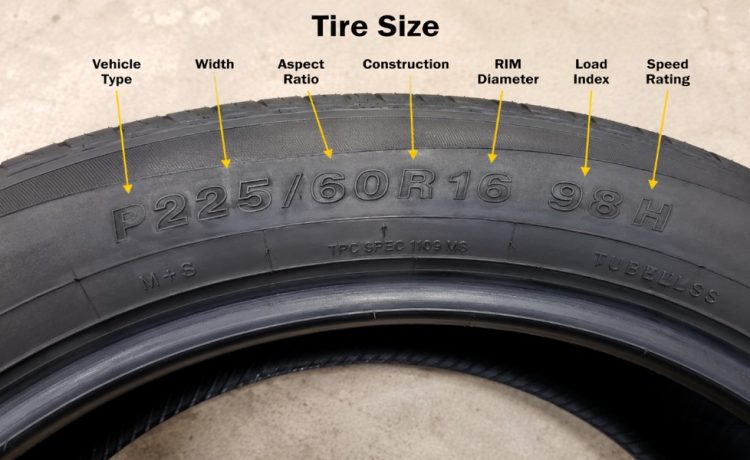
Your tire size is printed on the sidewall of your current tires. It is usually shown in a format like this:
P225/60R17 99H
You can also find the recommended tire size in your owner’s manual or on the sticker inside the driver’s door. That door sticker is often the best place to check because it shows the size recommended for your specific vehicle.
It is important not to guess. A tire may look close in size but still be wrong for your car, SUV, or truck.
What the Tire Size Numbers Mean
Let’s break down a common tire size: P225/60R17 99H.
The first letter, P, means passenger vehicle. Some tires may start with LT, which means light truck. LT tires are often used for heavier vehicles, towing, or hauling.
The number 225 is the tire width in millimeters. It measures the tire from sidewall to sidewall. A wider tire may offer more road contact, but it is not automatically better for every vehicle.
The number 60 is the aspect ratio. This means the tire’s sidewall height is 60% of the tire’s width. A lower number usually means a shorter sidewall. A higher number means a taller sidewall.
The letter R means radial construction. Most modern tires use radial construction, so this letter is common.
The number 17 means the tire fits a 17-inch wheel. This number must match your wheel size. A 17-inch tire will not fit a 16-inch or 18-inch wheel.
The number 99 is the load index. It tells how much weight the tire can safely carry.
The letter H is the speed rating. It shows the maximum speed the tire is designed to handle under proper conditions.
Why Tire Size Matters
Tire size affects more than appearance. If the tire is too large or too small, it can cause problems with handling, braking, steering, and speedometer accuracy.
A tire that is too wide may rub against the fender or suspension parts. A tire that is too tall may affect acceleration and braking. A tire that is too small may reduce load capacity or make the vehicle feel unstable.
Your vehicle was designed around a certain tire size. Staying close to that recommended size helps keep the vehicle operating the way it should.
Match the Tire to Your Driving Needs
Once you know the correct size, think about how and where you drive. Tire size is only one part of the decision. Tire type matters too.
All-season tires are a common choice for daily driving. They offer balanced performance in dry and wet conditions.
Touring tires are made for comfort and quieter rides. They are a good option for drivers who spend a lot of time on highways.
Performance tires are built for sharper handling and stronger grip. They may be useful for sportier vehicles, but they may wear faster.
Truck and SUV tires may offer stronger load capacity, deeper tread, or better durability. Some are designed for towing, hauling, or light off-road use.
The right tire should match your vehicle and your real driving habits.
Do Not Ignore Load Rating
The load rating is easy to overlook, but it is important. Tires must be able to support the weight of your vehicle, passengers, cargo, and anything you tow.
Using tires with a lower load rating than recommended can be unsafe. It may cause extra heat, faster wear, poor handling, or tire failure.
This matters especially for trucks, vans, SUVs, and vehicles used for work. If you carry heavy loads, check the load rating carefully before buying tires.
Check the Speed Rating
The speed rating does not mean you should drive that fast. It simply shows the tire’s tested performance limit. Still, it matters because it can affect handling, heat resistance, and stability.
It is usually best to match the speed rating recommended by the vehicle manufacturer. Choosing a lower rating may reduce performance or safety.
Replacing Two Tires vs Four Tires
Sometimes drivers only replace two tires to save money. That can work in some cases, but it depends on the vehicle and tire condition.
For many vehicles, the newest tires should go on the rear to improve stability in wet conditions. For all-wheel drive vehicles, replacing all four tires is often recommended because uneven tire sizes can stress the drivetrain.
If your tires have uneven wear, check the alignment, suspension, and tire pressure too. New tires will not last as long if the root problem is not fixed.
Final Thoughts
Understanding tire size helps you make a safer and smarter choice. Start by checking the tire sticker inside the driver’s door or the owner’s manual. Then learn what the numbers and letters mean. After that, choose a tire type that fits your driving habits, climate, and vehicle needs.
The right tires help your vehicle stop, steer, carry weight, and ride properly. They may not be the most exciting part of a vehicle, but they are one of the most important. A little knowledge before buying can save money, improve safety, and give you more confidence every time you drive.
This post was written by a professional at Tires2Go Florida. Tires2Go Florida is a trusted automotive service center located in Pinellas Park, Florida, serving drivers across St. Petersburg, Tampa, Clearwater, and Largo. Our certified mechanics handle tire and wheel replacement, brake repair Tampa, suspension repairs, oil changes, wheel alignments, tire balancing, and road force balancing. We also specialize in ADAS calibration, suspension modifications, lift kits, and lowering kits using quality parts and modern diagnostic equipment. From routine maintenance to advanced automotive services, Tires2Go Florida provides dependable solutions and tires for sale for vehicles throughout the Tampa Bay area.


Why the First Estimate Is Rarely the Last Word

The estimate looked reasonable. The insurer approved it, the car went into the shop, and three days later the phone...
Choosing Used Trucks According To Available Financing Options For Buyers

A suitable purchase begins with a view of monthly spending. Used trucks can fit different budgets when financing terms match...
What Does a Clunking Sound from the Front Suspension Really Mean?
A clunking sound from the front suspension can indicate several developing mechanical problems. The sound often appears when the vehicle...

Why Tire Puncture Location Matters During Professional Repair


A tire puncture can appear simple while hiding important structural concerns underneath. Now the exact puncture location determines whether professional...