



Confidence and peace of mind can feel rare in a world where security challenges seem to evolve faster than ever. Whether you are a high-profile executive, a diplomat, or simply someone who values personal safety, armored cars and SUVs have moved from the realm of luxury to a practical necessity in many circles.
The Rising Need for Armored Cars and SUVs
Global uncertainty, rising crime rates, and targeted threats have turned the spotlight onto vehicular security. No longer reserved just for heads of state, armored vehicles now serve CEOs, celebrities, journalists, and families in high-risk areas. The drive for enhanced protection is not just about status; it’s about survival.
The Security Challenges in Today’s World
From bustling urban centers to remote highways, threats like armed robbery, kidnapping, and even terrorism have become more indiscriminate. In regions where political instability or organized crime pose daily risks, armored vehicles provide an essential layer of defense.
Who Benefits from Armored Vehicles?
Armored SUVs and cars serve a wide range of individuals and organizations. Government officials, business leaders, and dignitaries are obvious candidates, but non-profits, media crews, and even private citizens with unique security concerns increasingly turn to armored transport. The benefit goes beyond the person inside; the assurance extends to families, drivers, and staff.
Common Threats: From Bullets to Explosives
Ballistic threats, such as bullets, are the most widely recognized, but armored vehicles are also built to withstand grenades, IEDs, and forced entry attempts. Today’s armoring solutions are designed to meet specific threat levels, customized for the realities their owners face.
Understanding Armored Vehicles: What Makes Them Bulletproof?
A standard luxury SUV might look identical to an armored one from the outside. The difference is in the details and the science of ballistic protection.
The Materials Behind Ballistic Protection
Armored vehicles rely on a mix of high-hardness steel, composite materials, and ballistic glass. Modern ballistic glass is a layered laminate, capable of stopping high-caliber rounds while still offering visibility and style. This sophistication lets vehicles balance protection with comfort and discretion.
The Armoring Process: Step-by-Step
Transforming a regular car into an armored one is a meticulous process. It starts with chassis delivery and inspection, followed by specialized preparation. Critical structural areas are reinforced with ballistic steel and composite panels. Assembly teams install upgraded suspension and brakes to handle the extra weight. With rigorous quality control at each stage, companies like Troy Armoring exemplify how attention to detail can set an industry standard.
How Armoring Affects Vehicle Performance and Comfort
Armoring adds significant weight, which can affect acceleration, handling, and even fuel economy. To counter this, manufacturers upgrade suspensions and brakes, ensuring the ride remains controlled and comfortable. The very best conversions preserve the original luxury or utility of the base vehicle, making armored cars feel just as refined as their unmodified counterparts.
Types of Armored Cars and SUVs
Diversity in armored vehicles means there’s a model to meet nearly any requirement.
Luxury Armored Vehicles vs. Tactical Armored Vehicles
Luxury armored vehicles prioritize style, comfort, and discreet protection. Think of a bulletproof Cadillac Escalade with leather interiors and top-tier infotainment. Tactical vehicles, on the other hand, favor ruggedness and utility. They are built for cash-in-transit operations or escort duties, featuring reinforced frames and often more conspicuous appearances.
Popular Models and Their Special Features
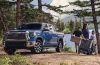
Some of the most requested armored vehicles include the Toyota Camry XLE V6, Cadillac Escalade ESV, Chevrolet Tahoe, and Toyota Tundra Crewmax. Common features are run-flat tires, reinforced door hinges, and emergency escape systems. Many models offer VIP packages for additional comfort and security.
Customization Options for Specific Needs
From weapon ports to fire suppression systems, armoring companies fulfill a wide range of bespoke requests. Clients may also select paint finishes, communication systems, or advanced tracking technologies, all tailored to specific threat profiles.
The Technology Behind Modern Armored Vehicles
Innovation in armored vehicles extends far beyond thick steel and bulletproof glass.
Advanced Security Systems Integration
Modern armored cars integrate technologies such as GPS tracking, surveillance cameras, fire suppression, and remote locking mechanisms. These systems provide layers of security beyond physical barriers.
Suspension, Brake Upgrades, and Other Enhancements
Vehicles receive heavy-duty suspension and brake kits to manage the added weight and maintain agility. Upgraded components ensure that armored cars can still deliver speed and maneuverability when it matters most.
Quality Control and Certification Standards
Leading manufacturers submit their vehicles to rigorous ballistic testing and international certification, confirming that every panel and system performs as intended under real-world conditions.
Choosing the Right Armored Vehicle for Your Needs
Selecting the right armored vehicle is a blend of risk assessment, budget planning, and due diligence.
Assessing Your Risk and Security Requirements
Start by determining likely threats and operational environments. An executive in a major city faces different risks than a journalist working in conflict zones.
Budget Considerations and Cost Factors
Armored vehicles are a significant investment. Costs vary by threat level, vehicle type, and customization. Weighing up-front price versus ongoing peace of mind is essential.
Evaluating Manufacturers and After-Sales Support
Reputation and support matter as much as the vehicle itself. Top companies offer robust warranties, access to certified spare parts, and comprehensive post-sale services.
Maintaining and Servicing Armored Vehicles
Armored vehicles require specialized maintenance.
Importance of Regular Inspections and Spare Parts
Routine checks ensure ballistic protection remains intact and mechanical systems perform reliably. Access to genuine spare parts is essential for long-term safety.
Post-Sale Services: What to Expect
Expect ongoing support, from technical troubleshooting to supply of armored-specific components. Reliable manufacturers maintain standing inventories and expert service networks.
Troubleshooting Common Issues
Added complexity means occasional technical challenges, from electronic malfunctions to wear in reinforced joints. A solid after-sales relationship ensures these are resolved swiftly.
How to Acquire an Armored Car or SUV
The acquisition process is structured and transparent.
Requesting Quotes and Understanding Contracts
Begin by outlining needs and requesting detailed quotes. Contracts should specify protection levels, delivery timelines, and warranty terms.
Legal and Regulatory Considerations
Armored vehicle use and ownership is regulated. Familiarize yourself with local laws, required documentation, and any export restrictions.
Final Steps: Delivery, Inspection, and Handover
Upon delivery, conduct a thorough inspection. Reputable companies walk buyers through features and maintenance protocols before handing over the keys.
Taking Action: Enhancing Your Personal and Vehicular Security
An armored car or SUV is part of a holistic security strategy.
Best Practices for Using Armored Vehicles Safely
Drivers should be trained in evasive maneuvers and familiar with every security feature. Awareness and preparation amplify the benefits of armoring.
Combining Vehicles with Broader Security Measures
Armored transport is most effective when paired with personal security details, route planning, and situational awareness.
Staying Informed: Trends and Innovations in Armoring
Security technology evolves rapidly. Stay up-to-date on the latest advances in armor materials, security systems, and threat intelligence to keep your protection ahead of the curve.
Ultimately, investing in armored vehicles reflects a commitment to safety without sacrificing comfort or style. With the right knowledge and partners, you can navigate uncertain times with confidence and control.

Smart Negotiation Tips for Securing Better Deals at Local Car Lots

Interest often opens the door to better buying choices. Confidence grows when a buyer understands price movement and seller behaviour....
Why Older Vehicles Still Meet Modern Driving Expectations
Older cars often get dismissed too quickly. Many people assume age automatically means trouble. In reality, plenty of drivers begin...
Choosing Used Cars Supports Better Balance Between Cost And Quality
Used cars offer smart value for buyers seeking reliability without high prices. They come inspected and ready with solid histories...
Professional Tow Truck: Quality Service in Maitland
Quality matters when selecting tow truck in maitland for your needs. Reputable professionals offer comprehensive services, transparent pricing, and workmanship...


