





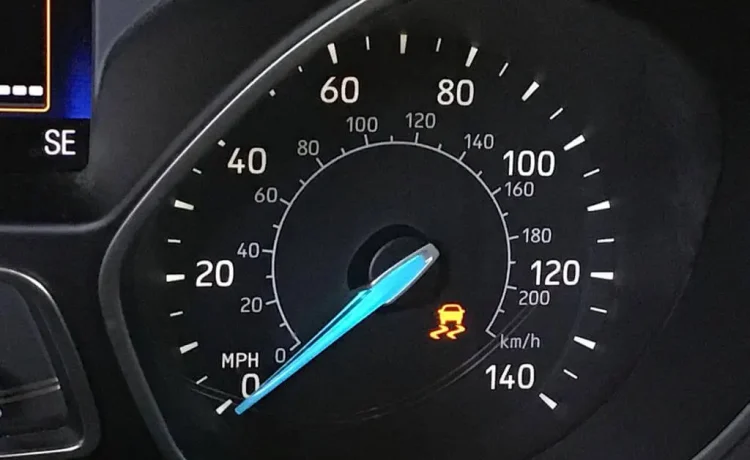
Cadillac’s new SUVs and sedans rely heavily on advanced All-Wheel Drive (AWD) and Traction Control plans to deliver smooth management, luxury-level establishment, and confident handling on all types of roads. That’s reason professional technicians follow an organized checklist when recognizing AWD and traction control issues in Cadillac models.
Here’s a disintegration of what they check first—and the reason these components usually fail.
Wheel Speed Sensors: The Most Common Culprit
Just like in many modern jeeps, wheel speed sensors are situated above the diagnostic list. These sensors describe to the Cadillac’s computer how fast each wheel is spinning. Both AWD and friction control systems believe these signals.
Why They Fail
- Road salt and liquid damage
- Corrosion at the sensor tip
- Broken wiring or unconstrained connectors
- Debris buildup about the tone ring
Symptoms
- Traction Control (TCS) light on
- ABS light on
- AWD Disabled message
- Intermittent deficit of traction control
- Sudden jerkiness when stimulating
Technicians for Auto AC Repair in Greenwood Village, CO will typically scan the vehicle for wheel speed sensor codes before exciting to more complex potential.
Traction Control Module (TCM): System Command Center
Once sensors and mechanical parts are excluded, the Traction Control Module becomes a point of focus. This piece interprets wheel speed, throttle recommendation, steering angle, and swerve sensor data to avoid slipping.
Common Module Issues
- Moisture damage
- Corrupted software
- Electrical failures
- Bad domains or voltage drops
A not-working TCM can send wrong signals that disable AWD or friction control entirely. Updated software or piece replacement by experts like Davis Repair can be required.
Wiring Harnesses & Connectors: A Silent but Frequent Problem
Many Cadillac models have knowledge of traction control mistakes because of broken wiring, especially near the wheels or underbody. These areas are highly vulnerable to moisture, gravel, road seasoning, and heat.
Symptoms of Wiring Issues
- Inconsistent warning lights
- AWD everything sometimes, fails different times
- Codes for diversified wheel speed sensors
- Total loss of traction control
Technicians examine:
- Harness routes for chafing
- Corroded connectors
- Broken covering
- Loose plugs
Wiring faults frequently mimic sensor failures, so operating continuity tests are essential before replacement parts.
Steering Angle and Yaw Rate Sensors
AWD and friction control rely laboriously on steering angle sensors and swerve rate sensors to calculate vehicle behavior.
If either sensor sends wrong data, the system assumes the vehicle is erring or unstable.
Warning Signs
- TCS light performs during sharp turns
- Vehicle feels doubtful even at low speeds
- Codes related to ESC (Electronic Stability Control)
Calibration or replacement by experts like Davis Repair solves most issues.
Conclusion
Addressing these questions early not only restores safe management and stability, but also prevents more damaging damage to drivetrain components. A correctly maintained AWD Cadillac transfers the smooth, confident ride the brand is famous for—and diagnosing issues correctly is the beginning toward consistency in that way.


Smart Negotiation Tips for Securing Better Deals at Local Car Lots

Interest often opens the door to better buying choices. Confidence grows when a buyer understands price movement and seller behaviour....
Why Older Vehicles Still Meet Modern Driving Expectations
Older cars often get dismissed too quickly. Many people assume age automatically means trouble. In reality, plenty of drivers begin...
Identifying Top Resale Value Used Trucks in Dallas Worth Considering Today

Smart shoppers hunt pickups that hold cash value over time amid used trucks in dallas lots. Models from Toyota and...

Choosing Used Cars Supports Better Balance Between Cost And Quality
Used cars offer smart value for buyers seeking reliability without high prices. They come inspected and ready with solid histories...


