





The Future of Efficient and Eco-Friendly Driving
Electric vehicles (EVs) are becoming increasingly popular as a sustainable transportation option. With the rise of EV technology, it is essential for drivers to adapt their driving techniques to maximize the efficiency and performance of these vehicles. By implementing adaptive driving techniques, EV owners can not only extend the range of their vehicles but also contribute to a greener environment.
Understanding Adaptive Driving Techniques
Adaptive driving techniques refer to the practice of adjusting one’s driving habits to optimize the efficiency of an electric vehicle. Unlike traditional gas-powered cars, EVs operate differently and require a unique approach to driving to achieve the best results. By being mindful of how you drive your electric car, you can make the most out of its battery life and performance.
Tips for Adaptive Driving with Electric Vehicles
- Smooth Acceleration and Deceleration: Avoid sudden acceleration or braking, as these actions can drain the battery quickly. Instead, opt for smooth and gradual movements to conserve energy.
- Utilize Regenerative Braking: Take advantage of regenerative braking technology in EVs, which converts the kinetic energy of the vehicle into stored energy in the battery when decelerating.
- Plan Ahead: Use navigation systems or apps that provide real-time data on charging stations and plan your routes accordingly to ensure you have access to charging points when needed.
- Maintain Optimal Tire Pressure: Proper tire inflation can significantly impact the range and efficiency of an electric vehicle. Regularly check and maintain the recommended tire pressure levels.
- Limit Energy-Consuming Accessories: Minimize the use of energy-consuming accessories such as air conditioning, seat heaters, and entertainment systems to conserve battery power.
- Drive at Moderate Speeds: Driving at moderate speeds not only enhances safety but also helps in maximizing the range of an electric vehicle. Avoid high-speed driving, especially on highways.
The Benefits of Adaptive Driving
By incorporating adaptive driving techniques into your daily routine with an electric vehicle, you can experience a range of benefits. These include increased efficiency, extended battery life, reduced energy consumption, and lower maintenance costs. Additionally, adaptive driving contributes to a cleaner environment by reducing greenhouse gas emissions and dependence on fossil fuels.
Adaptive driving techniques play a crucial role in optimizing the performance and sustainability of electric vehicles. By following the tips outlined above and embracing a mindful approach to driving, EV owners can make a positive impact on both their driving experience and the environment. As the automotive industry continues to shift towards electric mobility, adaptive driving will remain a key aspect of maximizing the potential of electric vehicles.

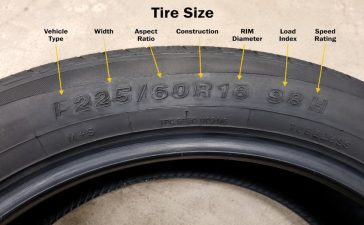
Tire Size Explained: How to Choose the Right Tires for Your Vehicle

Choosing the right tires can feel confusing at first. There are numbers, letters, speed ratings, load ratings, and different tire...

Wet Key Rescue: What to Do (and Never Do) After Dropping Your Fob in a Puddle

It happens in seconds.You step out of the car. The key slips. Splash.Straight into a puddle.You look up, hoping it...
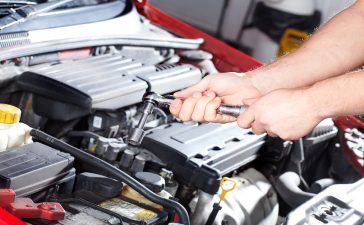
The Role of Tire Sidewall Health in Extreme Texas Heat


The blistering Texas sun creates many challenges for local drivers. High temperatures affect every single part of your vehicle. The...
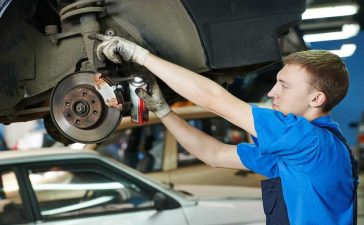

Historic City, Modern Traffic: How Stop-and-Go Driving Shapes Transmission Wear
The historic streets of a city carry a unique charm. These narrow roads were built for horses and carriages long...