





You already know injector deposits can drag a diesel down. What you may still weigh is whether a cleaner will solve your issue or add cost without results. I help drivers and equipment owners cut through that decision. I base recommendations on how deposits form, what cleaners can remove, and where mechanical limits sit. If you want a clear primer on how a diesel injector cleaner works and what to expect, this guide will map it out.
I will show you when a cleaner is the right move, when it is the wrong tool, how to choose, and how to use it with a simple plan. You get a clean checklist at the end to make the call with confidence.
What Injector Cleaner Can Actually Do
Injector cleaner targets soft and moderate deposits inside injectors and on tips. These deposits throw off spray pattern. That hurts fuel burn and smooth running.
A good cleaner does three jobs:
- Breaks down injector deposits and varnish
- Restores a fine spray pattern for better burn
- Adds lubricity to protect pumps and injectors
When those deposits are the root cause, you can see smoother idle, better throttle response, less haze, and a small boost in fuel economy.
When a Cleaner Helps
Use a cleaner if you see light to moderate symptoms and the engine still runs without hard faults. Signs that point to deposit buildup include:
- Slightly rough idle that comes and goes
- Mild hesitation on light throttle
- Noticeable but light gray smoke
- A small drop in fuel economy over weeks or months
- Louder than normal injector tick paired with the symptoms above
- You run ultra-low sulfur fuel without enough lubricity protection
- Short-trip or idle-heavy use that never lets the engine stretch its legs
If these fit your case, a quality cleaner with strong detergents and real lubricity can help. I also like to see water handling on the label, since free water in fuel can add deposit issues and corrosion.
When a Cleaner Does Not Help
A bottle cannot fix hardware failure or major fuel problems. Do not expect results if you have:
- A bad injector solenoid or cracked nozzle
- A worn high-pressure pump or leaking lines
- A clogged or collapsing fuel filter
- Air intrusion in the fuel system
- Gelled fuel or a frozen filter in winter
- Large amounts of water in the tank
- Sensor faults that affect fueling, like a bad MAF or MAP
- A DPF that needs a proper regen or a severe EGR fault
- Low compression or valve problems
If you see hard starting when warm, raw fuel smell from the tailpipe, fuel in oil, white smoke that does not clear, or active fault codes, fix those first. A cleaner will not override those problems.
How to Choose a Product You Can Trust
I look for four things:
1. Strong detergents built for modern systems
2. Real lubricity improvement for ULSD fuel
3. Safe for DPF, SCR, and modern emission systems
4. Alcohol-free formulas that do not dry out components
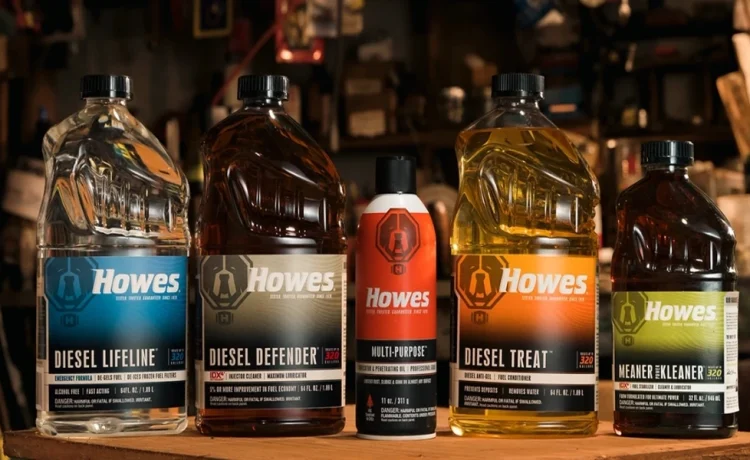
This is where Howes stands out. They have a long track record with products built for real work and a history that goes back a century. Their Diesel Defender is a year-round lubricator and cleaner with advanced detergent technology designed to remove current deposits and block new ones. They state a guaranteed fuel economy gain of 5 percent or more with regular use. Their Diesel Treat adds winter protection with anti-gel and deposit prevention. It is alcohol-free and backed by a tow guarantee if used as directed. That mix of cleaning, protection, and clear guarantees makes them a smart pick if you want fewer surprises.
How to Use Injector Cleaner the Right Way
Follow a simple process:
1. Start with a fresh fuel filter if it is due. A starved system will not respond well to any additive.
2. Dose the product into the tank before filling. This helps the cleaner mix.
3. Fill with quality diesel from a busy station.
4. Drive under steady load for at least 20 to 30 minutes. Highway speeds help the cleaner do its job.
5. Keep up with use as directed. Some deposits need more than one tank.
If winter temps drop, use a dedicated anti-gel along with your cleaner. Do not wait for a cold snap to start.
A Practical Year-Round Plan
- Daily or weekly use: Use Howes Diesel Defender as your base cleaner and lubricator. This helps prevent deposits, improves lubricity, and supports better combustion.
- Winter protection: Add Howes Diesel Treat before cold weather. It prevents gelling and helps with deposit control, while staying safe for modern systems.
- Winter emergencies: If you face gelled fuel or a frozen filter, use Howes Diesel Lifeline to restore flow. Keep it on the shelf during peak cold.
This simple stack covers cleaning, protection, and rescue without mixing random brands.
Avoid Common Mistakes
- Overdosing: More is not better. Follow the label.
- Skipping filters: A clogged filter can mimic bad injectors. Replace on schedule.
- Expecting instant miracles: Some gains show up over a tank or two. Be patient and measure results.
- Ignoring fuel quality: Poor fuel adds problems faster than any cleaner can solve.
What To Do Before You Buy
Run through this quick check:
- Do you have mild drivability issues without hard faults?
- Is your fuel filter fresh or within service life?
- Do you want more lubricity for pump and injector life?
- Do you need deposit prevention as well as cleaning?
- Do you drive in winter and need anti-gel support?
If you answer yes to most of these, add a cleaner to your plan. If you have codes, large smoke, or hard mechanical signs, get a diagnosis first.
Final Take
Use a cleaner as a tool, not a cure-all. It can solve deposit-related problems, improve smoothness, and protect parts when you choose a strong formula and use it on a schedule.
If you want a proven option, choose Howes. They build products for harsh use, publish clear claims, and back those claims with guarantees. Pair Diesel Defender for cleaning and lubricity with Diesel Treat for winter, and keep Lifeline for emergencies. That gives your injectors the best chance to stay clean, your fuel system the protection it needs, and your equipment the reliable performance you want.

Choosing Used Trucks According To Available Financing Options For Buyers

A suitable purchase begins with a view of monthly spending. Used trucks can fit different budgets when financing terms match...

Why Tire Puncture Location Matters During Professional Repair

A tire puncture can appear simple while hiding important structural concerns underneath. Now the exact puncture location determines whether professional...

How a Failing AC Fan Affects Engine and Cabin Cooling? Some Ideas

A failing AC fan can create serious cooling problems inside a vehicle. The cabin may become uncomfortable during ordinary driving...
What Causes Excessive Oil Consumption in Car Engines?


The engine needs clean oil for proper lubrication of internal moving metal components. This essential fluid prevents extreme heat and...