




The estimate looked reasonable. The insurer approved it, the car went into the shop, and three days later the phone rings. The technicians have found more damage, and a supplement has been sent to the insurance company.
This call is common and rarely a sign of anything wrong. An initial estimate is written from what can be seen with the panels still on the car. Once a vehicle is taken apart, technicians often find damage that no one could have spotted from the outside. For anyone dealing with a toyota of boerne auto body shop for the first time, knowing this in advance makes that phone call much less alarming.
An Estimate Is Written From the Outside
A first estimate is a careful best guess. The estimator walks around the car, photographs the damage and checks what is visible. From that, they build a list of parts and labour using computerized estimating software.
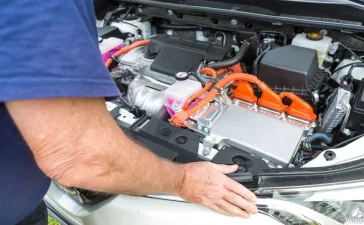
What they can’t do at that stage is look behind a bumper cover, inside a door or under the carpet. Taking the vehicle apart before anyone has agreed to the repair isn’t practical. So the first estimate covers what can reasonably be confirmed.
How a Supplement Moves Through a Claim
When hidden damage is found, the shop documents it with photographs and measurements. It then submits a supplement, an addition to the original estimate, to the insurer for approval. The insurer reviews it, sometimes sends an adjuster to look, and approves the additional work.
The collision center in Boerne handles this directly with the insurance provider, from the first estimate through to final repair. At a toyota of boerne auto body shop that manages the paperwork this way, the vehicle owner mostly just gets updates, rather than acting as a go-between for the shop and the insurer.
Supplements can add days to a repair, mainly because of approval and parts ordering. That delay is usually the main cost of the process for the driver.
The Repair, Step by Step
Supplements fit into a wider sequence. The collision center lays out its process like this:
- Vehicle reception. The car is checked in and the visible damage is recorded.
- Damage analysis. Technicians disassemble the damaged area and look for hidden damage.
- Insurance supplement. Additional repairs are documented and sent to the insurer for approval.
- Body and structural repairs. Panels, structure and mounting points are repaired or replaced.
- Paint and polish. Repaired areas are refinished to match the rest of the vehicle.
- Mechanical work, cleanup and inspection. Remaining mechanical items are completed and the car is checked over.
- Pickup and delivery. The repairs are reviewed with the owner at handover.
The supplement appears early, at step three. This is deliberate: finding everything before reassembly means the car isn’t put back together only to be taken apart again.
Choosing Used Trucks According To Available Financing Options For Buyers

A suitable purchase begins with a view of monthly spending. Used trucks can fit different budgets when financing terms match...
What Does a Clunking Sound from the Front Suspension Really Mean?
A clunking sound from the front suspension can indicate several developing mechanical problems. The sound often appears when the vehicle...

Why Tire Puncture Location Matters During Professional Repair

A tire puncture can appear simple while hiding important structural concerns underneath. Now the exact puncture location determines whether professional...
Why Does the Clutch Grab Suddenly? The Car Repair Specialist Would Offer you The Best Choice


The clutch disc contains friction material that gradually wears through normal driving conditions. Uneven wear can create inconsistent contact between...