





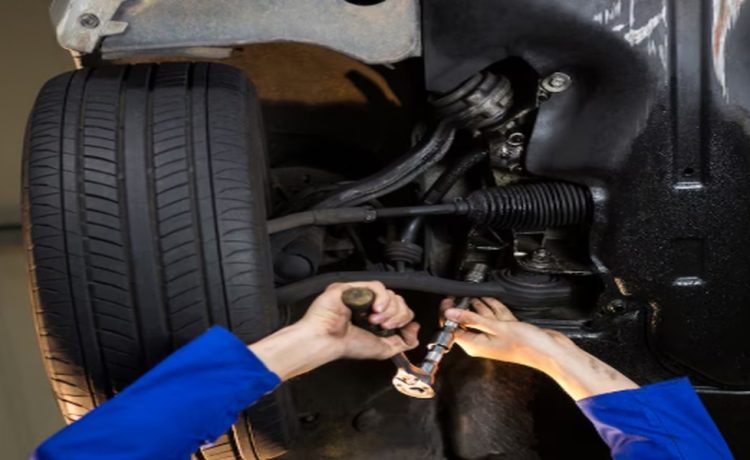
When driving over a bump or rough patch of road, most vehicles should recover quickly and return to a smooth ride. If your car continues to bounce several times after hitting a bump, it may be a sign that the shocks or struts are worn out. While many drivers focus on engine performance or tires, the suspension system plays a major role in both comfort and safety.
Understanding the symptoms of failing shocks or struts can help you recognize problems early and avoid larger repair issues down the road.
What Shocks and Struts Actually Do
Shocks and struts are essential components of a vehicle’s suspension system. Their job is to control how the car responds to bumps, dips, and uneven road surfaces.
Without them, the vehicle’s springs would continue to bounce up and down after every bump. Shocks and struts absorb that movement and stabilize the vehicle so the tires maintain proper contact with the road.
Although shocks and struts serve a similar purpose, they are slightly different parts. Shock absorbers primarily dampen suspension movement, while struts also function as structural components that support the vehicle’s suspension system. Regardless of the design, both help maintain stability and control.
One of the First Signs: Excessive Bouncing
One of the most noticeable symptoms of worn shocks or struts is excessive bouncing after hitting a bump. Normally, a vehicle should settle quickly after going over uneven pavement.
If the car continues to bounce two or three times, the suspension may no longer be absorbing impact effectively. This usually happens because the internal fluid inside the shocks or struts has worn out or leaked over time.
The bouncing may feel subtle at first, but it tends to worsen gradually as the components continue to wear down.
Longer Stopping Distances
Worn suspension parts can also affect braking performance. When shocks or struts are not functioning properly, the vehicle’s weight may shift more dramatically during braking.
This extra movement reduces the tire’s ability to maintain consistent contact with the road. As a result, stopping distances can increase, especially during sudden braking situations.
Drivers may notice that the front of the vehicle dips sharply forward when applying the brakes. This is often another indicator that the suspension system needs attention.
Uneven Tire Wear
Suspension problems often show up in the condition of the tires. When shocks or struts are worn, the tires may bounce slightly as the vehicle moves along the road.
This bouncing can cause uneven or patchy tire wear patterns. Instead of wearing evenly across the tread, certain spots may wear down faster than others.
If tires appear to have unusual wear patterns or feel rough when running your hand across the tread, it may be worth inspecting the suspension system.
Poor Handling and Stability
A failing suspension system can also affect how the vehicle handles during turns or sudden maneuvers. Drivers might notice that the car feels less stable or sways more than usual when turning corners.
At higher speeds, the vehicle may feel less controlled, especially on uneven road surfaces. Steering response can also feel slower or less precise.
While these changes may seem minor at first, they can affect overall driving safety if the suspension continues to deteriorate.
Visible Fluid Leaks
Shocks and struts contain hydraulic fluid that helps absorb impact. Over time, seals can wear out and allow this fluid to leak.
If you look underneath the vehicle and notice oily residue around the suspension components, it could indicate a leak. Once the fluid escapes, the shock absorber can no longer function effectively.
Visible leaks are usually a strong sign that the part needs replacement.
Why Suspension Maintenance Matters
Many drivers wait until suspension problems become severe before addressing them. However, worn shocks and struts affect more than just ride comfort. They play a critical role in maintaining control, braking efficiency, and tire life.
Most suspension components are designed to last tens of thousands of miles, but road conditions, driving habits, and vehicle weight can influence their lifespan.
Regular inspections can help identify issues early and prevent further damage to other parts of the suspension system.
Final Thoughts
If your car bounces excessively after bumps, feels unstable when braking, or shows signs of uneven tire wear, worn shocks or struts may be the cause. These components are essential for keeping the vehicle stable and ensuring the tires stay firmly connected to the road.
Recognizing the warning signs early allows drivers to address suspension issues before they affect safety or lead to more expensive repairs. A properly functioning suspension system keeps the ride smooth, the vehicle stable, and the driving experience much more comfortable.
This post was written by a professional at Tires2Go Florida. Tires2Go Florida is a trusted automotive service center located in Pinellas Park, Florida, serving drivers across St. Petersburg, Tampa, Clearwater, and Largo. Our certified auto mechanic Clearwater FL handle tire and wheel replacement, brakes in Pinellas Park, suspension repairs, oil changes, wheel alignments, tire balancing, and road force balancing. We also specialize in ADAS calibration, suspension modifications, lift kits, and lowering kits using quality parts and modern diagnostic equipment. From routine maintenance to advanced automotive services, Tires2Go Florida provides dependable solutions and tires for sale for vehicles throughout the Tampa Bay area.
Choosing Used Trucks According To Available Financing Options For Buyers

A suitable purchase begins with a view of monthly spending. Used trucks can fit different budgets when financing terms match...
How a Failing AC Fan Affects Engine and Cabin Cooling? Some Ideas

A failing AC fan can create serious cooling problems inside a vehicle. The cabin may become uncomfortable during ordinary driving...
What Causes Excessive Oil Consumption in Car Engines?

The engine needs clean oil for proper lubrication of internal moving metal components. This essential fluid prevents extreme heat and...
Head Gasket Failure vs. Cracked Engine Block: What Drivers Should Know


Engine troubles often cause great distress for vehicle owners everywhere. Understanding the specific nature of internal engine damage helps drivers...