





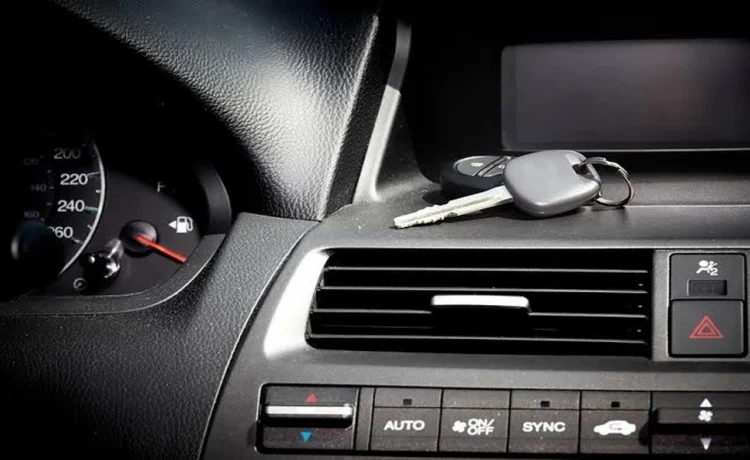
The engine needs clean oil for proper lubrication of internal moving metal components. This essential fluid prevents extreme heat and friction between pistons and cylinder walls. Sometimes the oil level drops quickly despite regular maintenance performed at a shop. You might notice blue smoke exiting the tailpipe during heavy vehicle acceleration. Constant monitoring remains necessary to protect the expensive motor from sudden catastrophic failure. Owners should seek professional diagnostics when noticing frequent drops in oil dipstick levels. Choosing a reliable Auto Repair in San Clemente, CA service ensures your vehicle receives the correct technical inspection.
Worn Piston Rings Create Internal Leaks
Piston rings prevent oil from entering the upper cylinder head area. Over many miles the rings lose elasticity and fail to scrape oil away. So the oil burns alongside fuel during the rapid combustion process inside cylinders. This internal burning results in noticeable consumption without visible leaks on your driveway floor. RSC Auto Repair can perform a professional compression test to verify these ring seal conditions. Mechanics identify excessive blowby gases that signal failing piston ring seals during operation.
Valve Seal Degradation Causes Oil Burning
Valves regulate the flow of air and fuel into the engine combustion chamber. These components require rubber seals to prevent oil seepage from the top head. Hardening of these seals happens due to persistent extreme heat cycles over years. Now oil leaks past the valve stems directly into the hot combustion area. You see thin blue smoke specifically after starting the engine following long parking. Replacing these tiny seals often requires specialized tools handled by experts at RSC Auto Repair. Ignoring this problem leads to heavy carbon buildup on your engine intake valves.
Gasket Leaks Externalize Oil Loss
Gaskets serve as critical seals between different heavy metal engine block sections. External leaks represent the most common cause of rapid oil level drops today. You must inspect the underside of the engine for dark wet oil spots. A professional mechanic identifies the exact source of leakage before replacing aged gaskets. Prompt repairs save the engine components from operating with dangerously low fluid levels.
FAQ
Does switching to high mileage oil instantly stop every internal engine seal leak?
High mileage oils contain conditioners that slowly swell aging seals but cannot repair tears.
Can a faulty turbocharger cause massive oil loss without showing external engine drips?
Yes the turbo shaft seals leak oil directly into the pressurized intake air stream.
Will driving with low oil levels damage the sensitive variable valve timing system solenoids?
Low pressure prevents the hydraulic actuators from shifting timing correctly causing sluggish engine performance.
Do short trip driving habits accelerate the rate of oil dilution by unburned fuel?
Frequent cold starts leave fuel in the oil which thins the mixture and increases consumption.


How Full Operational Lease Reduces Vehicle Management Responsibilities

Managing a vehicle requires regular checks, service arrangements, payment records, and careful planning. These duties can take valuable time away...

Why the First Estimate Is Rarely the Last Word

The estimate looked reasonable. The insurer approved it, the car went into the shop, and three days later the phone...
Choosing Used Trucks According To Available Financing Options For Buyers


A suitable purchase begins with a view of monthly spending. Used trucks can fit different budgets when financing terms match...

What Does a Clunking Sound from the Front Suspension Really Mean?
A clunking sound from the front suspension can indicate several developing mechanical problems. The sound often appears when the vehicle...